Study: 13 transmission projects could save $15.3 billion
A new study finds 13 high-value transmission projects in the Eastern U.S. Could yield up to $15.3 billion in net system value by 2050, lowering rates and boosting reliability, with PJM seeing the largest share of benefits.
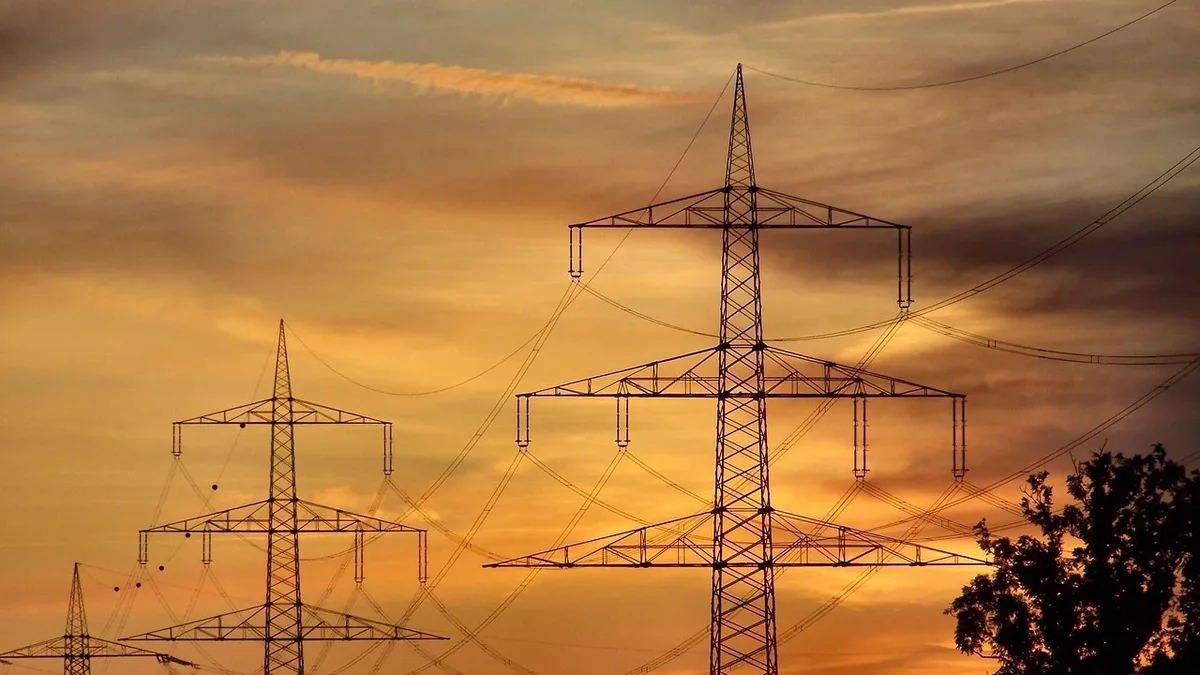
A set of 13 high-value power line projects could generate up to $15.3 billion in net system value across the Eastern United States by 2050. The study, released Tuesday by S&P Global's CERA Consulting, was prepared for the Electricity Customer Alliance, National Grid, and Converge Strategies.
It argues that expanding interregional and intraregional grid connections lowers retail electricity rates, enhances reliability, and improves resilience against extreme weather. The analysis offers a customer-focused perspective on building new lines, according to Jeff Dennis, executive director of the Electricity Customer Alliance.
Customer cost conundrum
Customers need more grid capacity but face rising costs from local network projects, Jeff Dennis said. This study shows how to refocus on projects delivering the most net benefits. He stated, "Customers need more transmission capacity. But they're in this conundrum because they see transmission costs going up."
The findings align with other U.S. Department of Energy analyses showing targeted power line builds create pathways for cheaper power to reach high-cost areas. These links can also reduce the need for new local power plants and grid infrastructure in constrained regions.
Projected benefits by region
The study modeled base and high electricity demand cases, with and without new interregional power lines. It identified 12 high-value projects under base demand and 13 under high demand. For the entire Eastern Interconnection, the unconstrained, base-demand scenario produces about $12.4 billion in net present value, with a benefit-to-cost ratio of 1.77. Constraining the building of new lines significantly reduces these benefits.
The largest contributor to the net value is reduced spending on new power generation, followed by lower production costs and avoided local grid expenses. The study breaks down the 40-year benefits from the base demand, unconstrained case by region.
| Region | Projected Benefit (Billions USD) |
|---|---|
| PJM Interconnection | $6.7 |
| SPP & MISO South | $1.9 |
| Southeast | $0.851 |
| Northeast | $0.393 |
Benefits increase under a high-demand scenario, especially for the Northeast and Southeast.
Technology and generation context
Employing advanced technologies like dynamic line ratings could yield significant benefits that likely offset higher initial costs, the report notes. This comes as power supply construction in the U.S. Hits a recent historic high.
The study reports 67 gigawatts of capacity currently under construction nationwide. This includes a mix of generation types.
| Generation Type | Capacity Under Construction (GW) |
|---|---|
| Solar | 27 |
| Battery Storage | 17 |
| Wind | 15 |
| Gas-Fired | 9 |
Paths to spur development
Jeff Dennis, formerly deputy director of transmission at the DOE's Grid Deployment Office, suggested solutions for encouraging interregional power line development. These include letting large customers invest directly in lines, opening merchant transmission opportunities, and permitting reforms.
He emphasized the need for policy changes to align planning around high-value projects. "We need those permitting reforms that Congress is talking about," Dennis said. The goal is to encourage projects that deliver future value to customers, not smaller builds that add cost without much new capacity. The report concludes that strategic grid expansion is key to managing the costs of the ongoing energy transition.