LS Power Starts Final Segment of Major Western Transmission
Construction has begun on the final 285-mile segment of the Southwest Intertie Project, a $1 billion transmission line connecting Idaho to Nevada, set to
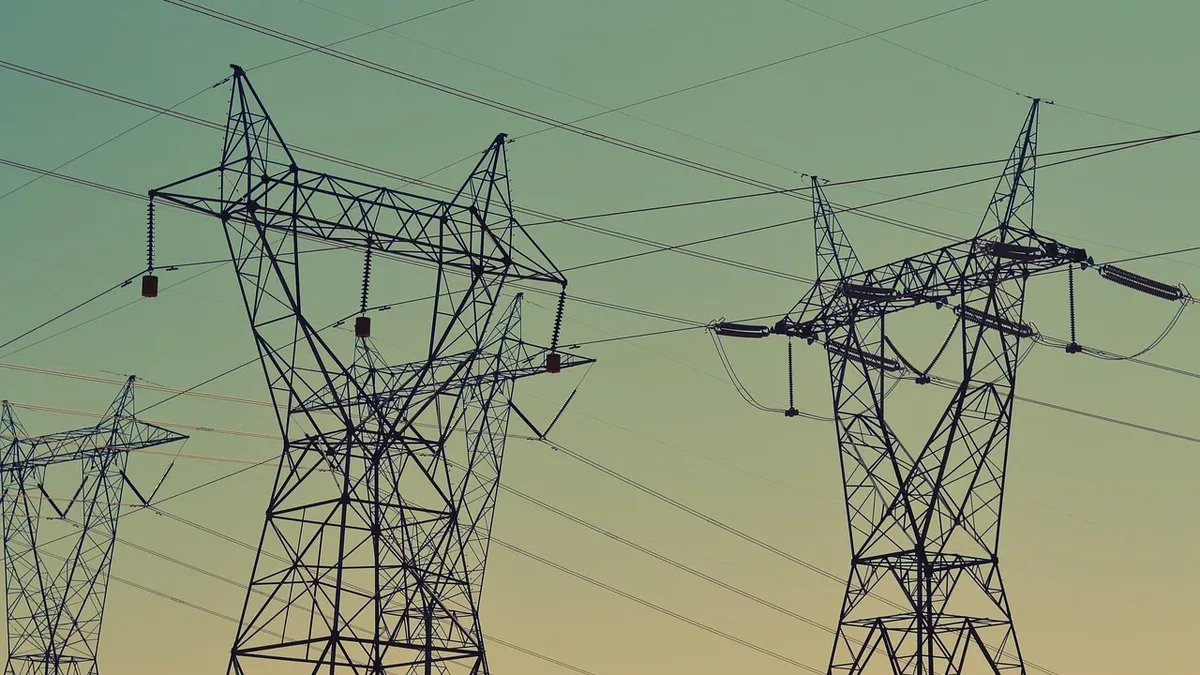
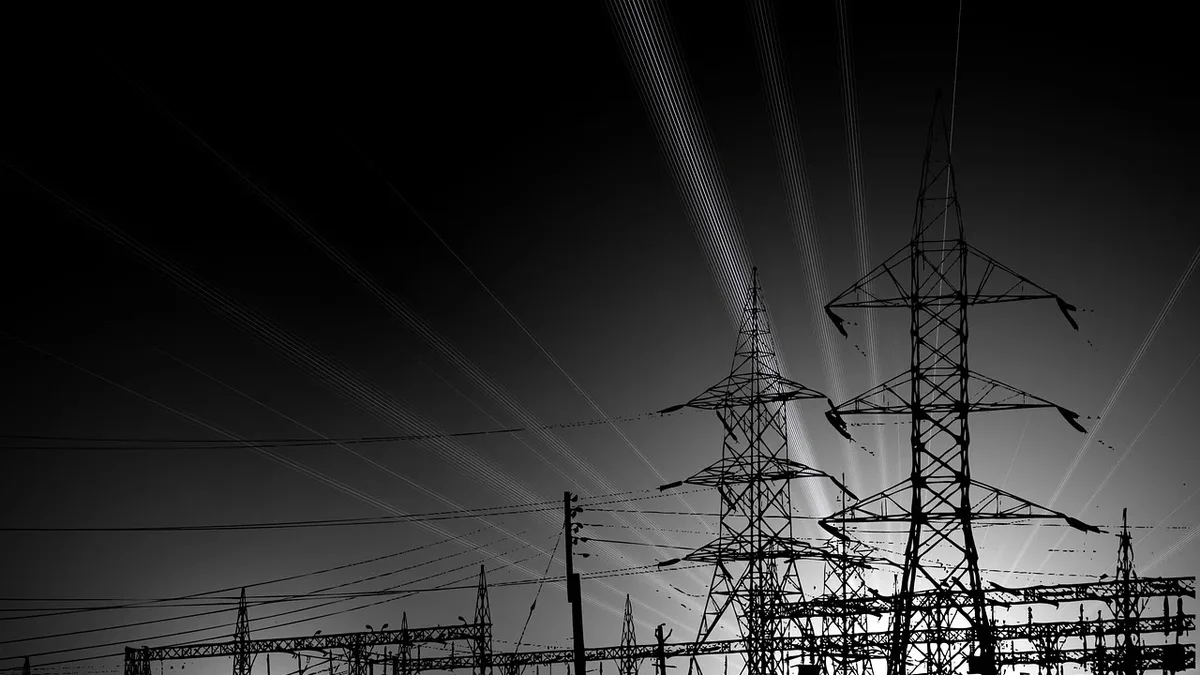
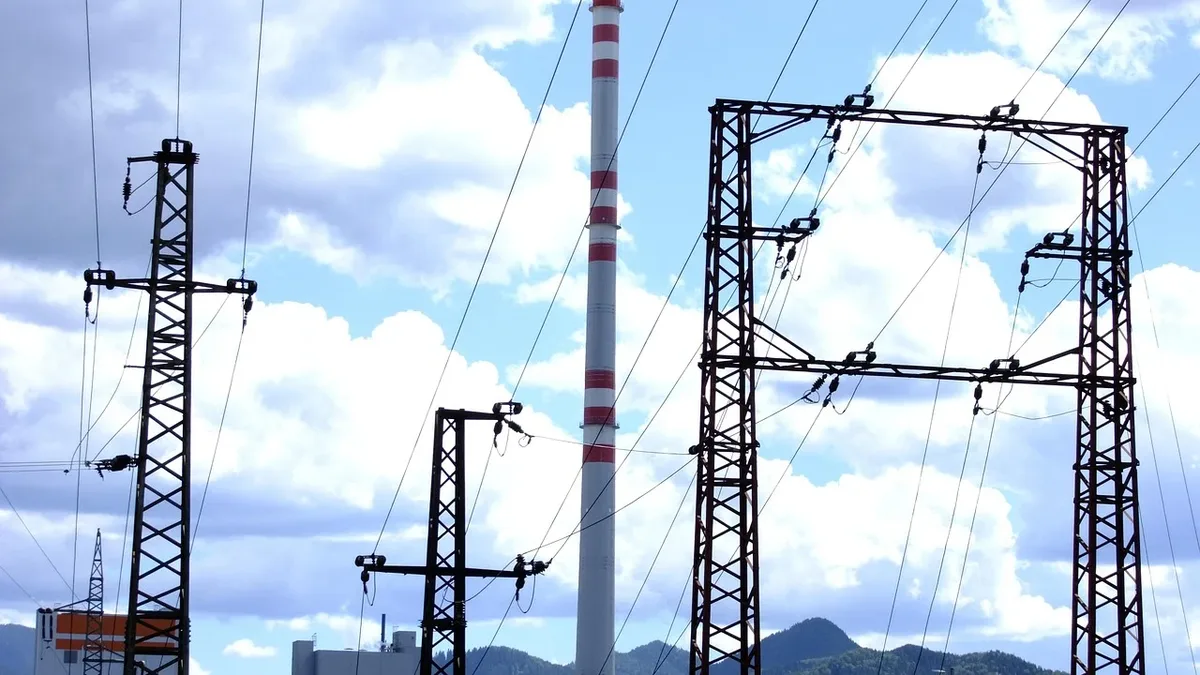
Construction is now underway on the final segment of the Southwest Intertie Project, a major Western U.S. Transmission corridor. LS Power affiliate Great Basin Transmission started work on the 285-mile, 500-kilovolt SWIP-North line, which is expected to enter operation in 2028 and represents an investment of more than $1 billion.
LS Power CEO Paul Segal said reliable power increasingly depends on moving electricity across regions. "SWIP-North will complete an important new pathway between the Pacific Northwest and the Desert Southwest, improving reliability and giving the Western grid greater flexibility," Segal stated.
Project Scope and History
The entire Southwest Intertie Project will stretch 576 miles from Idaho's Magic Valley to Nevada's Eldorado Valley south of Las Vegas. The new SWIP-North segment connects the Midpoint Substation near Twin Falls, Idaho, with the Robinson Summit Substation near Ely, Nevada. More than 70% of its route is in Nevada.
This phase joins two earlier segments developed by LS Power. The first was the 231-mile One Nevada Transmission Line, placed into service in 2014. The second was the 60-mile DesertLink Line, which began delivering power in 2020. These transmission paths connect to the California Independent System Operator (CAISO) grid.
Nevada Governor Joe Lombardo said the construction shows Nevada's role as a strategic energy hub for the West. He listed benefits including additional transmission capacity, new energy import and export opportunities, and increased reliability for residents and businesses.
Capacity and Grid Benefits
Once energized, the complete Southwest Intertie Project will be able to move more than 2 gigawatts of bidirectional electricity. This includes 500 megawatts of northbound transmission capacity dedicated for Idaho Power customers.
Officials emphasized the project's role in grid hardening. LS Power President Paul Thessen called it a unique cooperation between multiple regions, states, and utilities. The collaboration involves private developer LS Power, utilities NV Energy and Idaho Power, and grid operator CAISO.
| Project Segment | Length (miles) | Voltage (kV) | Service Year | Key Developer/Partner |
|---|---|---|---|---|
| One Nevada Transmission Line (ON Line) | 231 | Not specified | 2014 | LS Power, NV Energy |
| DesertLink Line | 60 | Not specified | 2020 | LS Power |
| SWIP-North | 285 | 500 | 2028 (expected) | LS Power (Great Basin Transmission) |
Partnerships and Cost Allocation
Capacity rights on the line will be shared by NV Energy, Idaho Power, and CAISO. A specific agreement governs costs and capacity sharing for the different segments. NV Energy covers all costs for the ON Line, while LS Power covers all costs for SWIP-North. Both parties share capacity across the full path, with LS Power assigning its rights to CAISO and Idaho Power.
CAISO CEO Elliot Mainzer said major transmission investments are essential for a more reliable and resilient Western grid. He stated the line will give grid operators greater flexibility to move power where it is needed most.
Idaho Power's vice president, Mitch Colburn, said the project will help meet growing energy demands and reduce costs for customers by connecting to the Desert Southwest's low-cost energy resources.
Development Timeline and Economic Impact
Great Basin Transmission was selected by CAISO in 2023 to develop the SWIP-North project, with final cost recovery approval in 2024. Idaho Power obtained its approval for participation in 2025.
Beyond electrical capacity, LS Power estimates the project will create about 300 construction jobs. The company forecasts over $375 million in regional economic impact from construction activity and millions in annual property tax revenue for local services in Nevada and Idaho.
Mark Milburn, LS Power senior vice president of Development, highlighted these measurable economic benefits during construction and after completion.